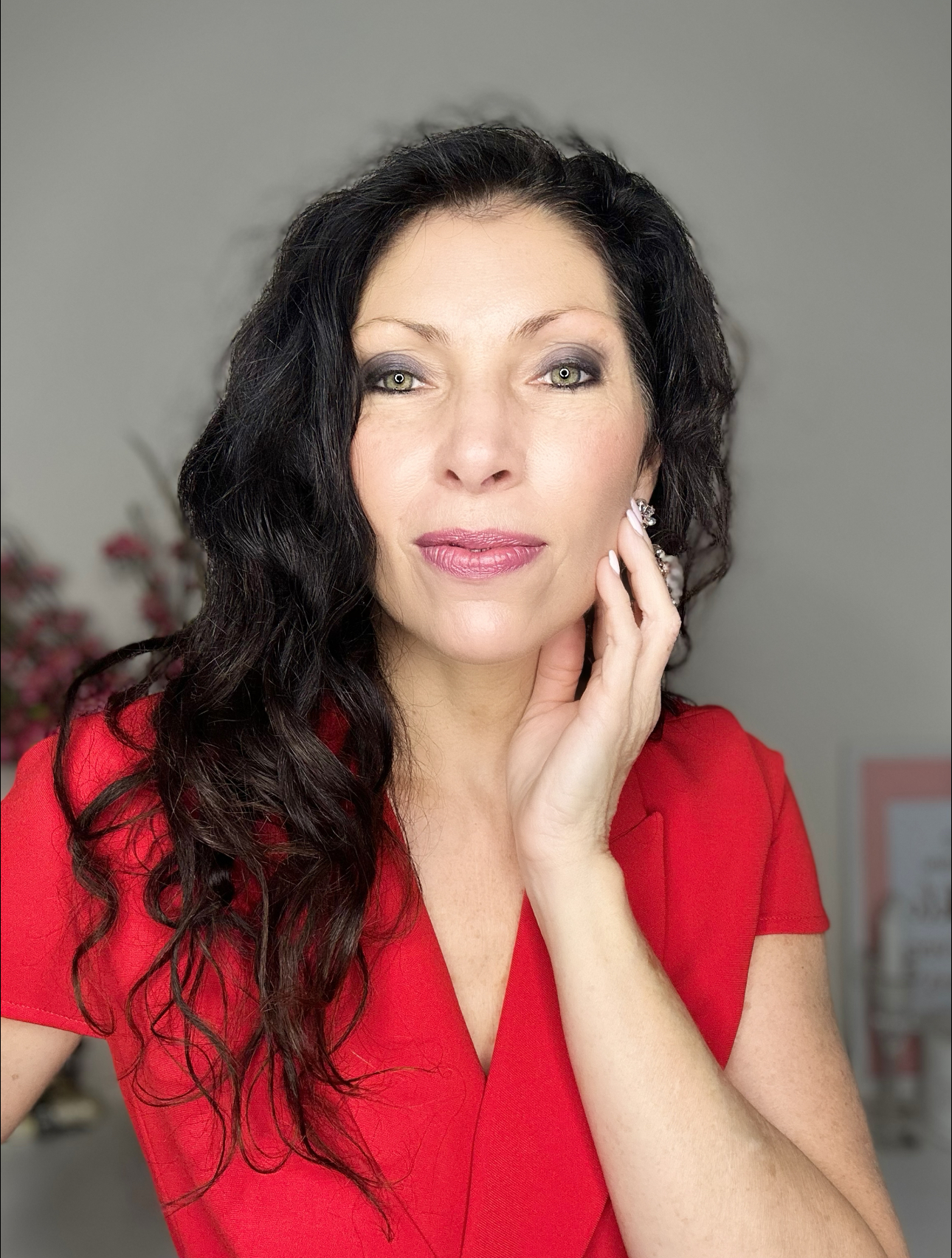
Rethinking what strong women look like
Truth and courage aren't always comfortable, but they're never weakness - Brene Brown
Rethinking What “Strong” Women Look Like
In our work with women, there’s a pattern that appears again and again.
The women who describe themselves as “strong” are often the ones carrying the most.
They are competent.
Reliable.
Capable under pressure.
The ones others lean on.
But underneath that strength, there is often exhaustion.
Loneliness.
A quiet fear that if they soften, everything will fall apart.
Somewhere along the way, many women learned that strength meant:
Being stoic
Not needing help
Staying composed
Holding it together
Managing emotions privately
Not appearing “too much”
Vulnerability began to feel like weakness.
Emotion began to feel like liability.
But psychologically, that version of strength is incomplete.
Where This Idea of Strength Comes From
Culturally, we have inherited a narrow model of strength — one that looks more like emotional suppression than emotional capacity.
Women who express anger are labelled reactive.
Women who cry are labelled unstable.
Women who speak openly about their needs are labelled demanding.
So many adapt.
They become less expressive.
Less visible in their emotional world.
More “manageable.”
Yet decades of research in psychology and neuroscience show that emotional suppression doesn’t make us stronger — it makes us more dysregulated internally.
Dr. James Gross at Stanford University has extensively studied emotional regulation and found that suppression increases physiological stress, reduces relational connection, and actually impairs emotional processing over time.
Similarly, Dr. Brené Brown’s research on vulnerability has shown that the capacity to be emotionally open is not weakness — it is strongly correlated with resilience, courage, and relational depth.
Strength is not the absence of emotion.
It is the ability to stay connected to yourself while emotion moves through you.
Women Are Not “Like Men” — And That’s Not a Flaw
Biologically and socially, women are wired toward relational attunement.
Neuroscientific research suggests that women, on average, show greater activation in areas of the brain associated with empathy and emotional processing. This is not about superiority or deficiency — it is about difference.
Relational awareness is not fragility.
The problem arises when emotional expression is treated as instability instead of intelligence.
David Deida speaks about feminine energy as being more fluid, expressive, and emotionally dynamic. While his language is spiritual, psychology supports a similar idea: emotional expression, when integrated, is regulating — not destabilising.
Tara Brach, psychologist and meditation teacher, describes emotional awareness as the pathway to integration. In her work on radical acceptance, she notes that when we allow emotion to be fully felt without repression, it moves. When we resist it, it hardens into shame or anxiety.
The women who appear “tough” often aren’t strong because they feel nothing.
They are strong because they have learned to feel everything alone.
That is not the same as emotional health.
The Cost of the Stoic Identity
When strength becomes synonymous with emotional containment, several things begin to happen:
Needs go unspoken
Resentment accumulates
Intimacy decreases
Self-trust weakens
Burnout increases
The nervous system cannot differentiate between “holding it together” and stress. Chronic emotional inhibition is still stress.
Over time, the body carries what the mouth does not speak.
True resilience isn’t emotional numbness.
It’s emotional capacity.
Putting Down the Identity of “Strong”
You don’t need to become less capable.
You don’t need to collapse into vulnerability.
But you might need to redefine strength.
Here are three places to begin:
1. Redefine Strength as Emotional Capacity, Not Control
Instead of asking, “How do I stay composed?”
Try asking, “How do I stay connected to myself?”
Strength is being able to feel anger without becoming destructive.
Sadness without becoming ashamed.
Fear without becoming paralysed.
It is integration, not suppression.
2. Practice Safe Expression, Not Emotional Dumping
There is a difference between repression and regulation.
You can begin small:
Naming what you feel internally before managing others
Expressing disappointment without apologising for it
Allowing tears without explaining them
You are not “too much” for having emotion.
You are learning to let it move through you instead of hardening inside you.
3. Question Who Benefits From Your Stoicism
This is the uncomfortable reflection.
When you stay stoic:
Who feels more comfortable?
Who avoids discomfort?
Who benefits from you not taking up emotional space?
Often, the identity of the “strong woman” is reinforced socially because it keeps systems stable.
But at what cost to you?
Strength that costs you your voice isn’t strength.
It’s self-abandonment disguised as competence.
A Different Model of Strong
What if strong looked like this instead:
A woman who can say, “That hurt.”
A woman who can ask for support without shame.
A woman who can cry and still lead.
A woman who can soften without collapsing.
Strength is not stoicism.
It is the ability to remain rooted in yourself while being fully human.
You were never meant to be emotionless.
You were meant to feel — and stay.
And that might be the strongest thing of all.